01 / Residential interiors
Private rooms. Shared buildings.
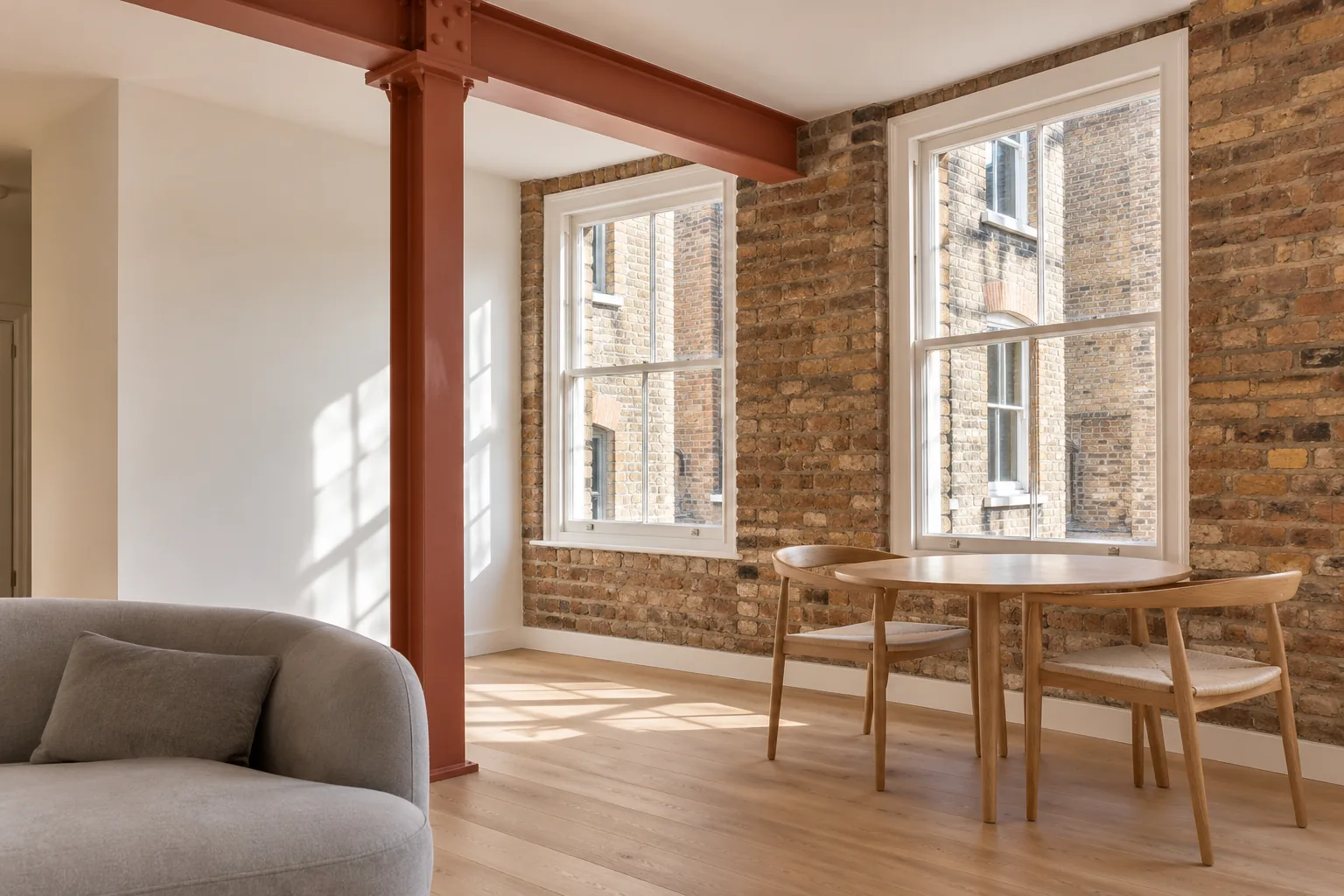
An apartment scheme needs more than a wall colour. Bring the ceilings, window reveals and fitted timber into the brief, with a workable route through the building.
Residential interiorsThe rooms above.
The street below.
Decoration for the way Covent Garden lives and works.
Apartments, townhouses, shopfronts and places of work. Plan the finish around the building, the people using it and the hours available to carry out the work.
Covent Garden Painters & Decorators is the painting & decorating division of Hampstead Renovations Limited (Company No. 16838595).
Covent Garden · WC2A scope for each setting
Start with what the space must do. A bedroom, a dining room and a busy reception ask different things of their finishes. Our service guides help define the surfaces, preparation and working arrangements together.
01 / Residential interiors
An apartment scheme needs more than a wall colour. Bring the ceilings, window reveals and fitted timber into the brief, with a workable route through the building.
Residential interiors02 / Business interiors
Separate customer areas from the places staff need to keep using. Plan protection, drying and handover around the operation of the restaurant, shop or office.
Business interiors03 / Shopfronts & joinery
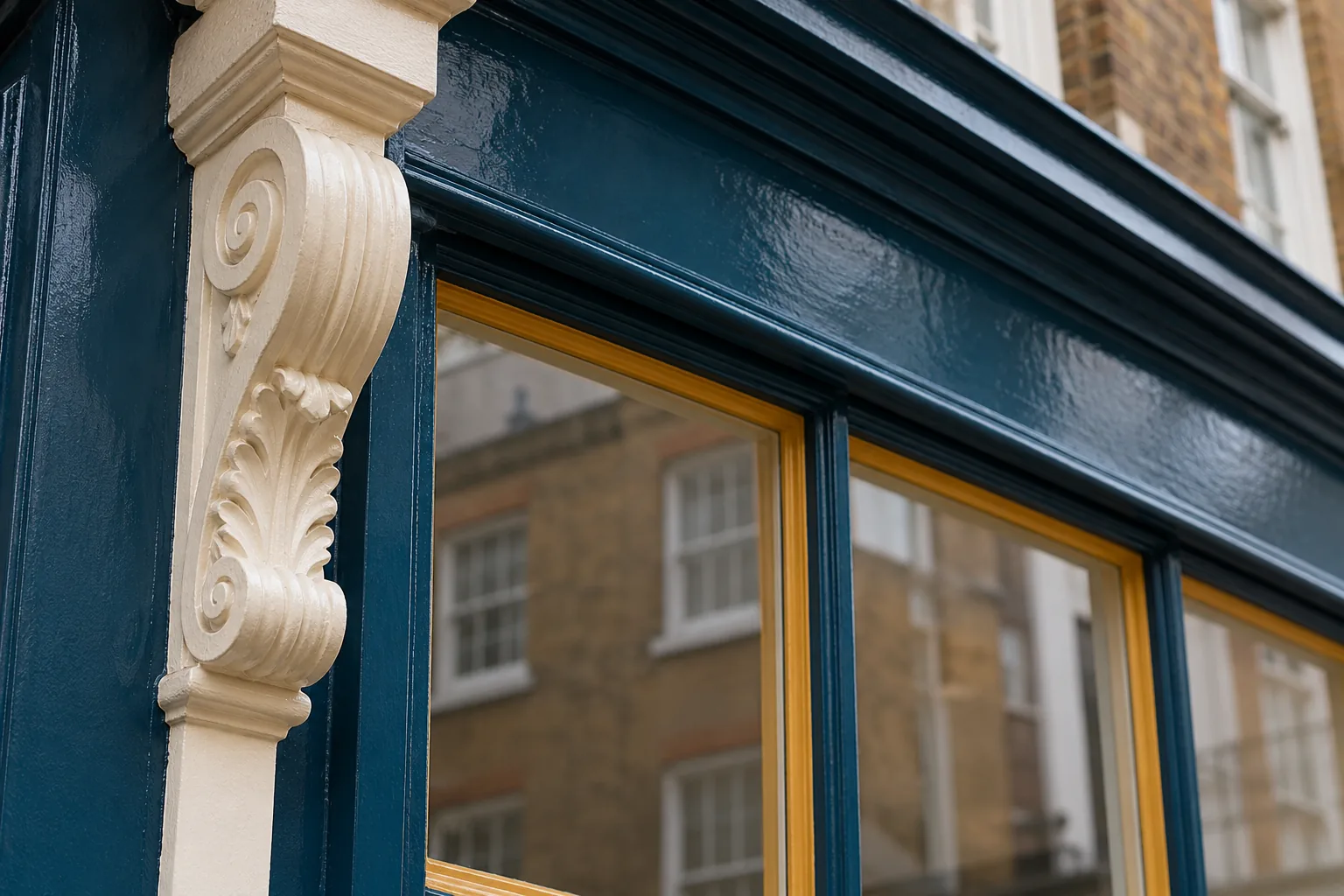
Treat the fascia, glazing bars and door as a connected composition. Establish the condition of the timber and the permitted finish before agreeing the preparation.
Shopfronts & joinery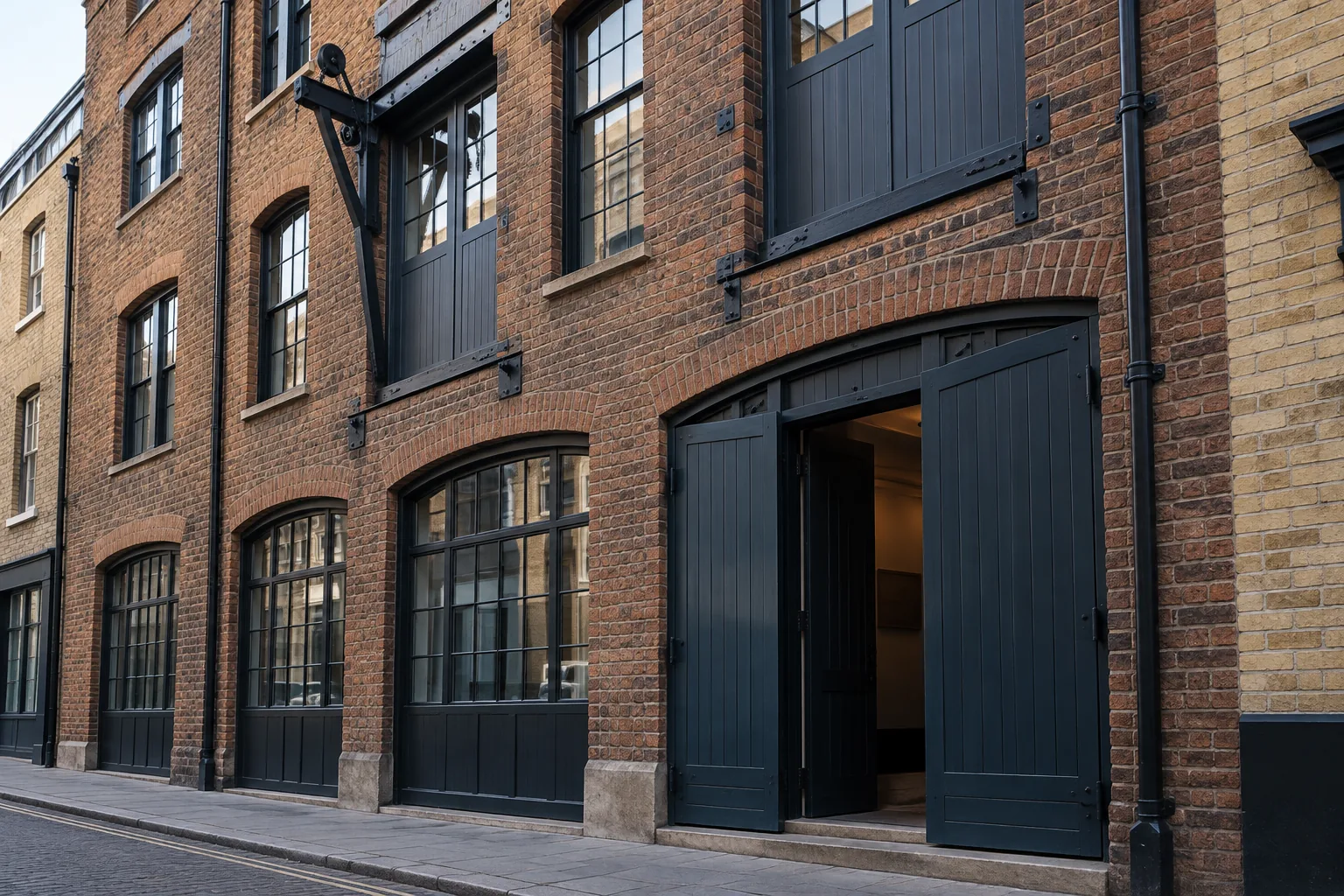
The neighbourhood
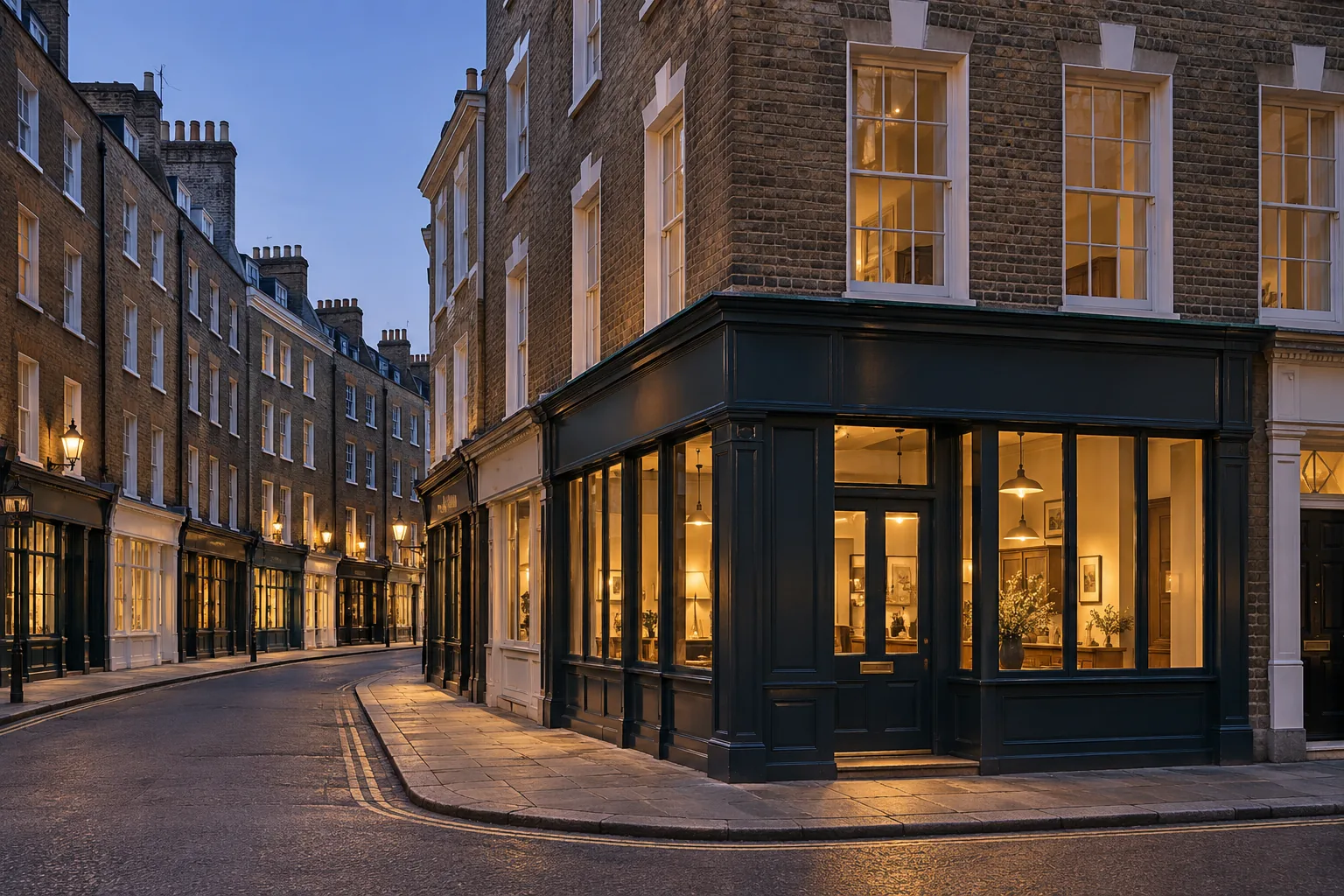
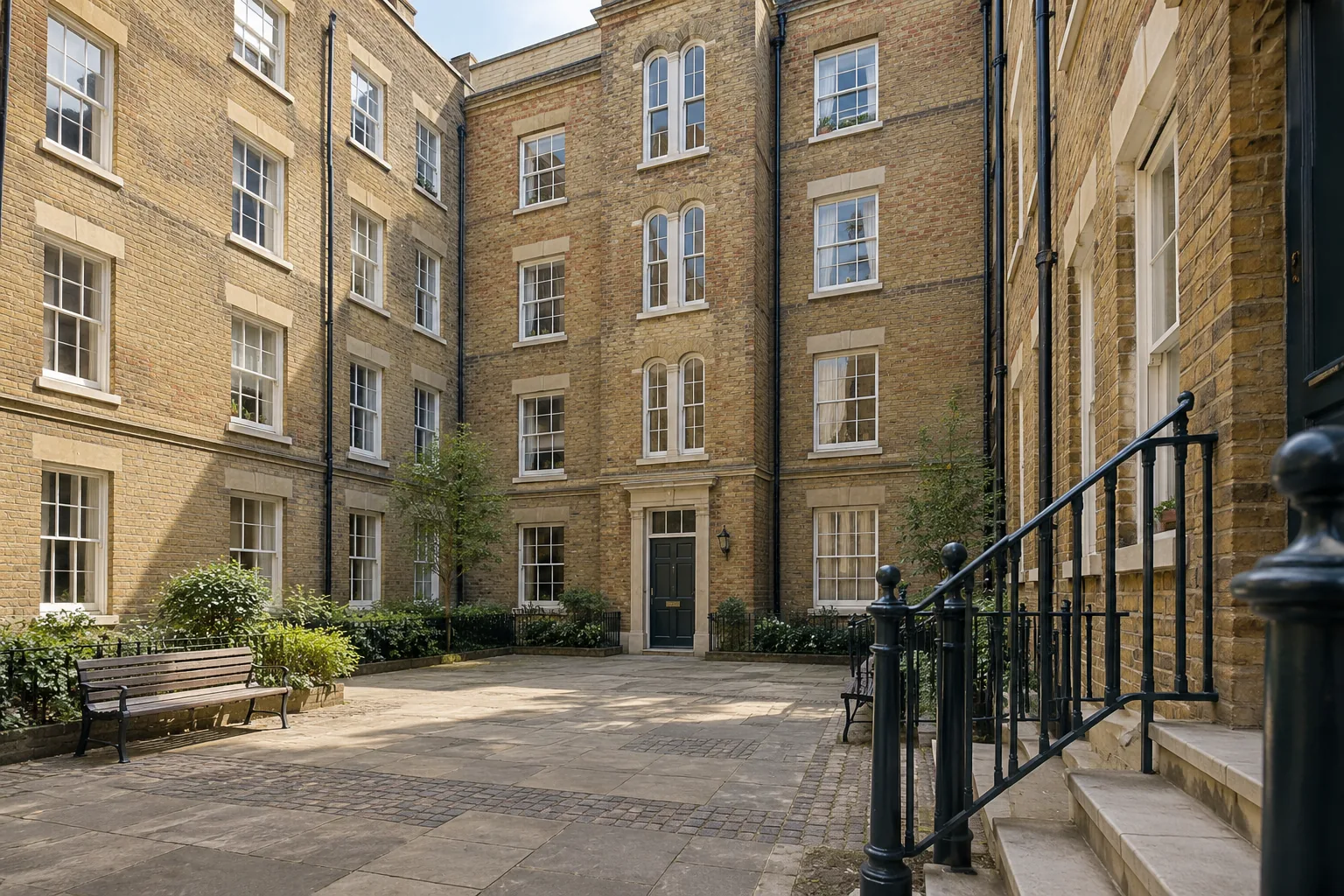
Homes, shops, offices and restaurants share Covent Garden’s streets. Westminster’s area leaflet records Victorian warehouses around Long Acre, Floral Street and Shelton Street. That variety makes the individual address a better starting point than a single idea of a period property.
Westminster: Covent Garden conservation area leaflet
Check the council, designation and relevant building instructions before settling exterior work. Read about colour and consent.
The working day
For a business, the available window is part of the specification. Tell us which rooms can close, when deliveries arrive and whether customers or staff will remain elsewhere in the building.
Evening and weekend arrangements need discussion: quiet finishing and noisy preparation may have different restrictions. Agree access, ventilation and a usable handover time before putting dates into the programme.
Planning a commercial repaint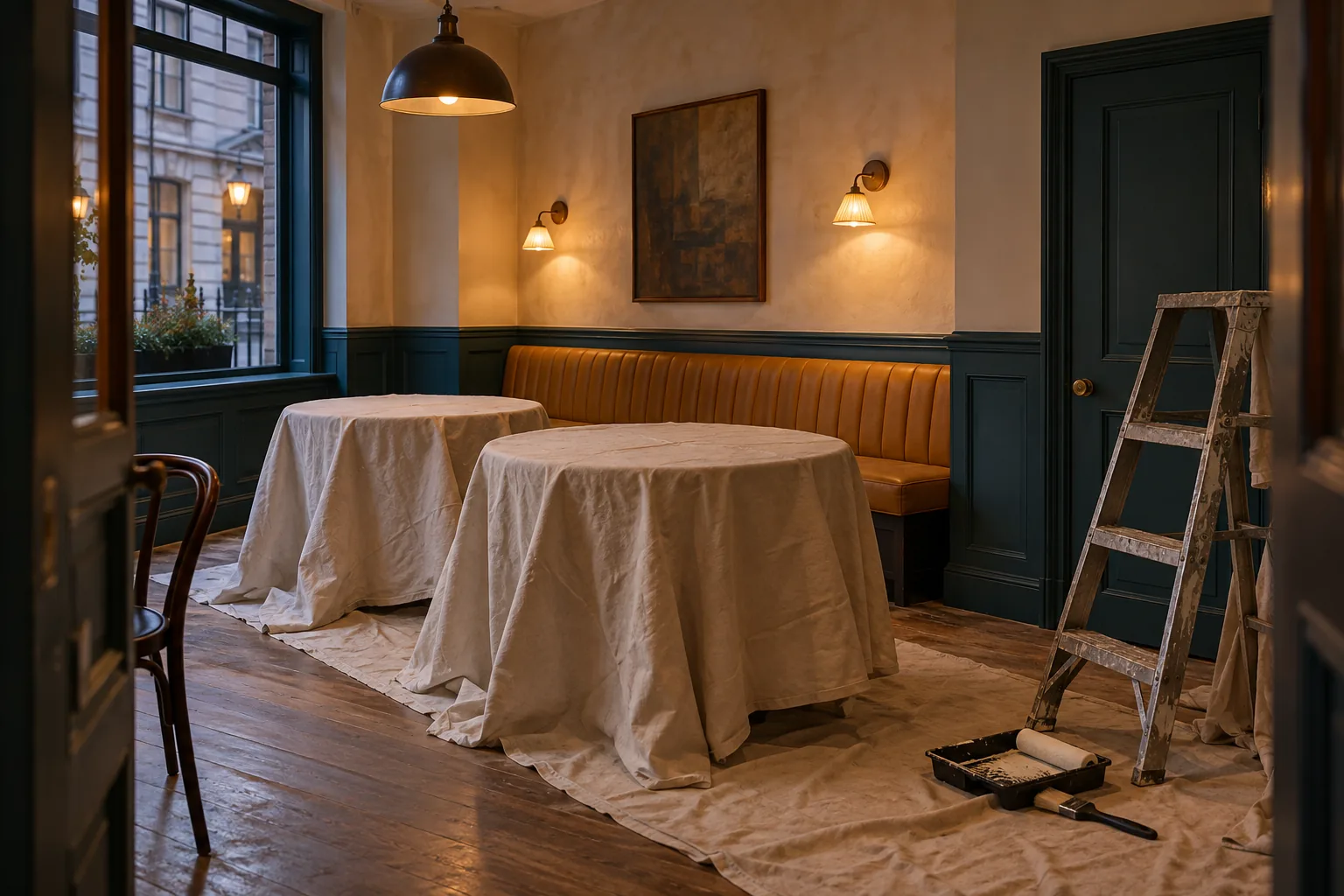

Colour & materials
Brick, a timber counter, painted metal and the daylight from a tall window each change how a colour appears. Bring the materials that will stay into the first discussion, then test the proposed finish beside them.
In a restaurant, check the sample under the lighting used during service. In an apartment, look at the same sample from the hall as well as close to the window. Specify sheen and substrate alongside the colour reference.
Build a finish scheduleBefore the first coat
Tell us who can approve the work, including any freeholder, managing agent or commercial landlord involved.
Note steps, narrow doors, shared halls and places where materials may be stored.
Resolve repairs, permissions and access before agreeing how the decoration can proceed.
Before you enquire
A few starting points for planning residential and commercial decoration in Covent Garden.
Yes. The commercial service covers enquiries for shopfronts, restaurant rooms and offices alongside residential painting. Describe the premises, the surfaces involved and when each area could be made available. Include any landlord or building-manager requirements, and identify the person able to approve the proposed work.
Give the full address, floor and correct entrance, then describe the route upstairs and any shared lobby or lift. Mention whether access passes through a business and whether the building has contractor rules. For the decoration itself, list the rooms and identify windows, doors or common parts that need someone else’s instruction.
Include the hours you would like in your enquiry and explain the operational reason. Any proposed arrangement needs to be assessed against the activities involved, the relevant council requirements, the building’s rules and neighbouring occupation. Dates and working hours form part of an agreed project scope; an enquiry does not reserve a shift.
Use the complete property address to check the council’s boundary and heritage records. The conservation guide links to Westminster and Camden information, including the Seven Dials material. Bring any existing planning decisions or building finish requirements into the discussion, and ask the relevant authority about the particular preparation and alteration proposed.
A focused enquiry is welcome. Identify each element, including the door, frame, fascia or fitted unit, and show where the new finish should stop. Flag repairs separately from painting, note any sign or lighting changes and provide the existing colour reference if it is known.
The form accepts a written enquiry and has no attachment field. Start with the property location, the requested work and relevant access information. The published email and WhatsApp contacts provide other ways to discuss the brief. Keep any documents you want considered ready for that correspondence.
Verified Project References
Covent Garden Painters & Decorators is the specialist painting and decorating division of Hampstead Renovations Limited (Company No. 16838595). Our Covent Garden (WC2) teams apply the same documented surface preparation, joinery restoration, and breathable finish specifications demonstrated in these completed Hampstead Renovations residential projects.
Completed Case Study
Conservation-led decoration of a Grade II listed late-Georgian townhouse on Downshire Hill, NW3, undertaken by Hampstead Renovations. The decorating team executed vapour-permeable distemper and mineral paint schedules over traditional lime plaster, hand-brushed microporous joinery finishes to original six-panel doors and box shutters, and heritage tonal schemes across the principal staircase and double reception rooms.
View the Downshire Hill, NW3 case study on hampsteadrenovations.co.uk →Completed Case Study
Full internal redecoration of a high-ceilinged lateral apartment within a white-stucco Victorian villa on Belsize Park Gardens, NW3, by Hampstead Renovations. Works included dust-extracted preparation of tall reception walls and ornate cornices, colour-matched sprayed lacquer to bespoke library and wardrobe joinery, and scuff-resistant low-VOC finishes throughout the entrance hall and living spaces.
View the Belsize Park Gardens, NW3 case study on hampsteadrenovations.co.uk →Local Specification & Heritage Standards
Delivering long-lasting decorative work in Covent Garden requires specifying primers, fillers, and topcoats around the exact substrates found across Covent Garden Conservation Area, Seven Dials Conservation Area, Strand Conservation Area and Savoy Conservation Area within City of Westminster & London Borough of Camden. Properties along Henrietta Street, King Street, Garrick Street, Floral Street, Long Acre, Shelton Street, Monmouth Street, Shorts Gardens, Neal Street, Maiden Lane and Bedfordbury and throughout Bedford Estate (historic core), Mercers’ Company Estate, Seven Dials Estate and Shaftesbury Capital heritage blocks present 17th to 19th-century stock brick facades, shopfront pilaster joinery, tall warehouse casements, timber sash windows, lime-rendered lightwells and acoustic secondary-glazed reveals. Rather than applying generic trade emulsions over unstable surfaces, our surveyors inspect moisture readings, historic lime and oil paint layers, timber cill integrity, and cornice detail before preparing a room-by-room or elevation-by-elevation schedule of works.
Every project is administered directly by Hampstead Renovations Limited (Company No. 16838595, Unit 3 Palace Court, 250 Finchley Road, London NW3 6DN) with £5M public liability and £10M employers' liability and contractors' all risks insurance. We pair dust-extracted Festool preparation and two-part epoxy timber repairs with vapour-permeable masonry systems (Keim Mineral Paints, Dulux Trade Weathershield, Emperor) and fine architectural interior finishes (Farrow & Ball, Little Greene, Paint & Paper Library, Benjamin Moore Scuff-X). To book a site visit in WC2, email contact@hampsteadrenovations.co.uk, call 020 7101 3168, or message WhatsApp 07459 345456.
Start with the space
Tell us whether the work is for a home, a business or a shared building. Include the Covent Garden address, the surfaces involved and the times when access could be available.
Describe the existing finish, the change you want and any restrictions on working in the space.